• Skip to primary navigation
  • Skip to main content
AE Construct

AE Construct

Subcontractor in Singapore

  • Home
  • About Us
  • Our Services
  • Past Projects
  • Location
  • Contact Us

admin

The Ultimate Guide to Home Renovation in Singapore: Planning, Budgeting & Execution

September 13, 2025 by admin


Table of Contents

  1. Introduction
  2. Understanding Home Renovation in Singapore
  3. Step 1: Planning Your Home Renovation
  4. Step 2: Setting a Realistic Budget
  5. Step 3: Choosing the Right Renovation Professionals
  6. Step 4: Key Areas Where a Handyman Can Help
  7. Step 5: Managing the Renovation Process Efficiently
  8. Step 6: Common Mistakes to Avoid During Renovation
  9. Step 7: Post-Renovation Maintenance Tips
  10. Conclusion

1. Introduction

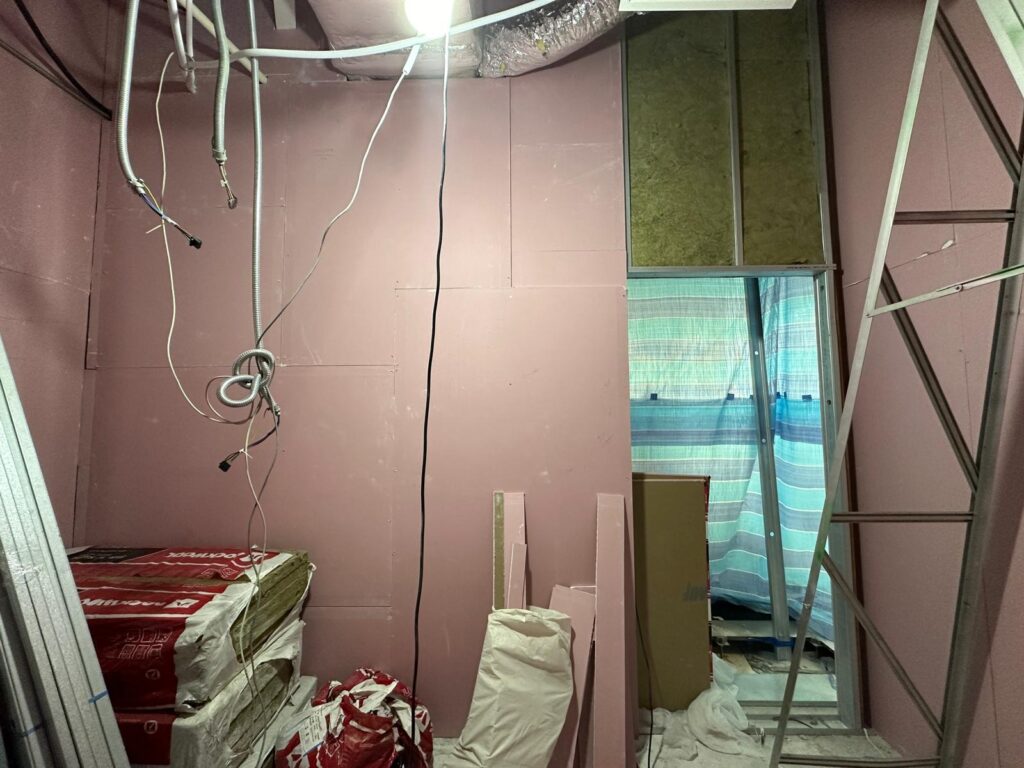
Renovating your home is one of the most rewarding investments you can make. Whether you’re upgrading an old HDB flat, modernizing a condominium, or improving a landed property, a well-planned renovation can transform your space both functionally and aesthetically. In Singapore, where homes are compact and every square meter counts, good renovation planning helps maximize comfort, efficiency, and long-term value.

This guide covers everything you need to know about home renovation in Singapore—from planning and budgeting to execution and maintenance—so you can achieve a beautiful, durable, and cost-effective transformation.
The Ultimate Guide to Home Renovation in Singapore: Planning, Budgeting & Execution

2. Understanding Home Renovation in Singapore

Home renovation in Singapore usually involves improving your interior layout, fixing structural issues, upgrading electrical or plumbing systems, or simply refreshing your home’s look with new paint and fixtures.

Depending on your goals and property type, renovation projects can include:

  • Full home makeovers: Redesigning entire living spaces.
  • Partial upgrades: Renovating key areas like kitchens, bathrooms, or bedrooms.
  • Essential repairs: Fixing leaks, electrical rewiring, or repainting.

Singapore’s renovation scene is regulated by the Housing & Development Board (HDB) and the Building and Construction Authority (BCA). If you live in an HDB flat, you must hire a HDB-licensed renovation contractor for works involving hacking, plumbing, or electrical wiring.


3. Step 1: Planning Your Home Renovation

Every successful renovation begins with a clear plan. Start by assessing your needs and setting renovation priorities:

  • What’s your main goal—comfort, aesthetics, or resale value?
  • Which rooms require the most attention?
  • What style best fits your lifestyle—modern, minimalist, industrial, or classic?

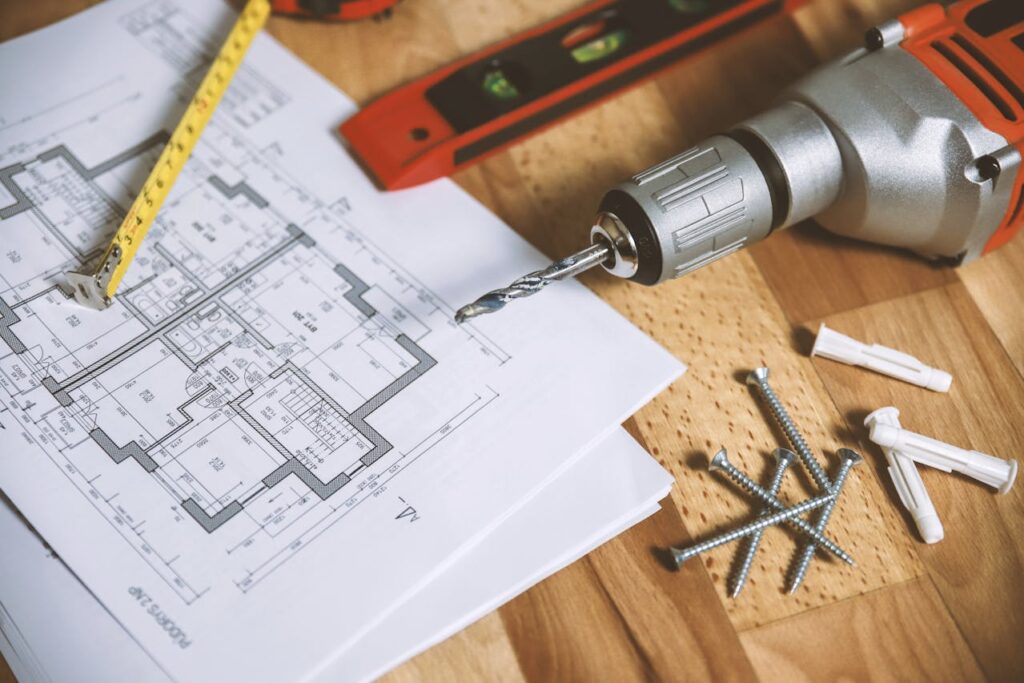
It’s also wise to create a renovation checklist that includes all the tasks, materials, and design preferences you want. Planning ahead helps prevent delays, cost overruns, and design mismatches later on.

If you’re not sure where to start, consult a handyman or renovation professional to evaluate your home’s condition and suggest practical upgrades.


4. Step 2: Setting a Realistic Budget

Budgeting is one of the most critical parts of home renovation. Without a solid budget, costs can quickly spiral out of control.

A typical home renovation in Singapore can cost anywhere from $15,000 to $80,000, depending on property type, materials, and labor. To manage your finances effectively:

  • List all expenses: Include design fees, materials, labor, permits, and furnishings.
  • Set aside 10–15% for contingency: Unexpected issues, such as hidden wiring faults or plumbing leaks, may arise.
  • Compare quotations: Get at least three quotes from different contractors or handyman services.
  • Prioritize essential works: Focus on safety-related tasks first—like electrical, plumbing, and waterproofing—before aesthetic upgrades.

A clear, itemized budget helps you stay in control of both quality and cost.


5. Step 3: Choosing the Right Renovation Professionals

Selecting the right contractor or handyman can make or break your renovation experience. Look for:

  • HDB-licensed contractors: Required for HDB flats to ensure compliance with renovation guidelines.
  • Experienced handyman services: Ideal for smaller tasks like painting, minor electrical work, and fixture installations.
  • Transparent communication: Choose professionals who explain costs, materials, and timelines clearly.
  • Verified reviews and portfolio: Check past projects for workmanship and reliability.

A good handyman service offers flexibility and affordability—especially for homeowners who want to renovate step-by-step rather than hire a large renovation firm.


6. Step 4: Key Areas Where a Handyman Can Help

Handymen play a crucial role in smaller yet essential parts of the renovation process. They can handle a wide range of tasks efficiently and at a lower cost compared to hiring multiple contractors.

Common renovation jobs handled by handymen include:

  • Electrical work: Installing lights, ceiling fans, switches, or rewiring small areas.
  • Plumbing repairs: Fixing leaks, replacing taps, or installing bathroom fixtures.
  • Painting and plastering: Giving your home a fresh coat of paint or repairing wall cracks.
  • Carpentry and assembly: Installing shelves, cabinets, or furniture.
  • Flooring repairs: Fixing loose tiles or minor cracks.

Hiring a skilled handyman ensures you get quick, reliable work done without the high costs of specialized contractors.


7. Step 5: Managing the Renovation Process Efficiently

Once renovation work begins, proper management helps avoid unnecessary stress and delays.

  • Set a timeline: Define start and completion dates for each phase of renovation.
  • Monitor progress: Visit the site regularly to ensure quality and adherence to plan.
  • Communicate openly: Address any issues early to avoid rework or misunderstandings.
  • Document changes: Keep written records of any modifications or extra costs agreed upon.
  • Maintain cleanliness: Ask the team to clean up after each workday to prevent clutter and dust buildup.

Being involved and proactive helps ensure your renovation stays on schedule and within budget.


8. Step 6: Common Mistakes to Avoid During Renovation

Many homeowners face renovation stress due to avoidable mistakes. Here are key pitfalls to watch out for:

  • Skipping detailed planning: Leads to overspending or design inconsistencies.
  • Choosing the cheapest contractor: Low prices can mean poor quality or hidden charges.
  • Ignoring maintenance needs: Some materials require ongoing care; consider this in your selection.
  • Overlooking permits: HDB works must comply with regulations—fines can apply for unauthorized renovations.
  • Not checking measurements: Incorrect measurements can cause wasted materials and poor fittings.

Learning from these mistakes helps you achieve a smooth renovation process and better results.


9. Step 7: Post-Renovation Maintenance Tips

Once your renovation is complete, maintaining your home ensures that your investment lasts longer.

  • Inspect electrical outlets and fixtures: Make sure they are properly installed and safe.
  • Repaint periodically: Keep walls fresh and clean to maintain aesthetic appeal.
  • Check plumbing connections: Look for leaks around sinks, toilets, and pipes.
  • Clean and polish surfaces: Regular cleaning prevents dirt buildup on tiles, counters, and flooring.
  • Schedule routine handyman visits: Periodic inspections can catch minor problems before they worsen.

Good maintenance not only preserves your home’s beauty but also prevents expensive future repairs.


10. Conclusion

Home renovation in Singapore is a major project that requires careful planning, budgeting, and execution. Whether you’re remodeling your kitchen, repainting your living room, or upgrading your electrical wiring, having a clear plan and the right professionals makes all the difference.

A licensed handyman or renovation expert can help you turn your vision into reality—ensuring that every detail, from design to safety, is handled professionally. By staying organized, realistic, and informed, you can achieve a home that’s beautiful, functional, and built to last for years to come.
Filed Under: handyman

Electrical Wiring Safety Tips Every Homeowner in Singapore Should Know

September 6, 2025 by admin


Table of Contents

  1. Introduction
  2. Understanding Electrical Wiring in Homes
  3. Common Electrical Wiring Problems in Singapore
  4. Warning Signs of Electrical Hazards
  5. Essential Electrical Safety Tips for Homeowners
  6. The Dangers of DIY Electrical Work
  7. Benefits of Hiring a Licensed Electrician
  8. How Often Should You Inspect Your Home’s Wiring?
  9. Preventive Measures for a Safer Home
  10. Conclusion

1. Introduction

Electrical wiring is the backbone of every modern home, powering lights, appliances, and essential systems. However, if not properly maintained, it can become a serious safety hazard. In Singapore, where many residential buildings are decades old, electrical safety is especially important to prevent accidents, fires, or power outages. Understanding the basics of electrical wiring and following safety best practices can help homeowners protect their families and property.

Electrical Wiring Safety Tips Every Homeowner in Singapore Should Know

2. Understanding Electrical Wiring in Homes

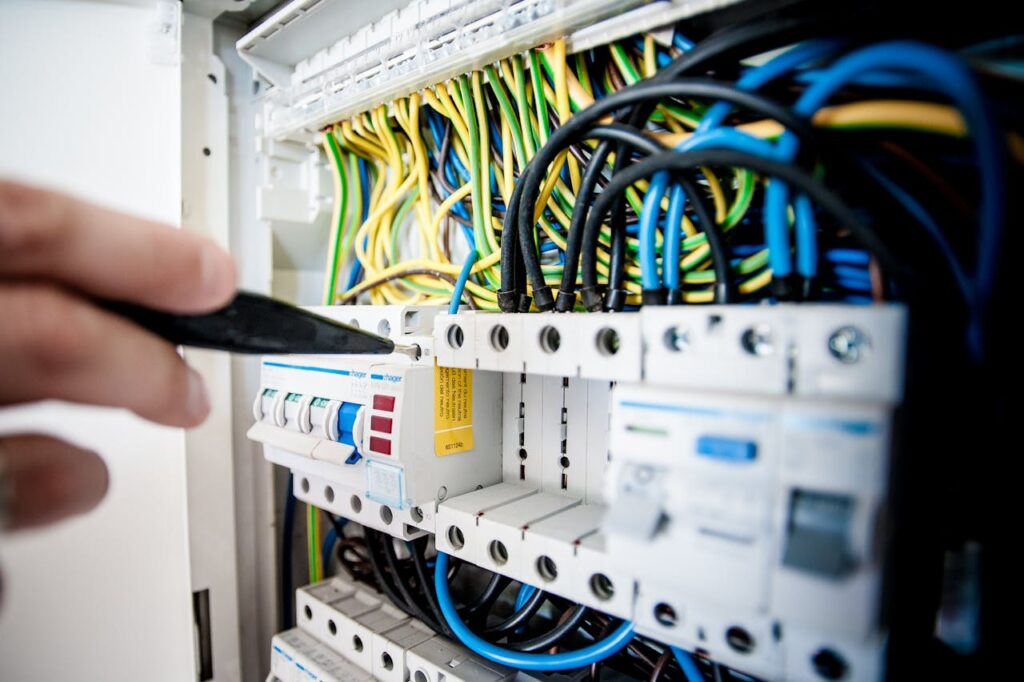
Electrical wiring systems are designed to distribute electricity safely throughout your home. They consist of circuits, switches, outlets, circuit breakers, and protective grounding. In Singapore, most HDB flats and private homes follow strict electrical codes regulated by the Energy Market Authority (EMA), which ensures installations are done by licensed electricians.

Over time, however, wiring can degrade due to humidity, overloading, or wear and tear. That’s why it’s essential to inspect your wiring regularly and make upgrades when necessary.


3. Common Electrical Wiring Problems in Singapore

Many homeowners are unaware of hidden electrical issues until a major fault occurs. Some of the most common wiring problems include:

  • Loose connections: Poorly connected wires can cause flickering lights and overheating.
  • Overloaded circuits: Plugging too many appliances into a single circuit can trip breakers and damage wiring.
  • Outdated wiring: Older homes may still use outdated systems that cannot handle modern electrical loads.
  • Damaged insulation: Singapore’s humid climate can deteriorate insulation, exposing live wires.
  • Improper grounding: Without proper grounding, electrical faults can lead to electric shocks or appliance damage.

Identifying these issues early helps prevent costly repairs and safety risks.


4. Warning Signs of Electrical Hazards

Knowing the warning signs of wiring problems can save you from serious accidents. Watch out for:

  • Frequent circuit breaker trips
  • Burning smells near sockets or switches
  • Buzzing or crackling sounds from outlets
  • Flickering or dimming lights
  • Discoloured or warm outlets
  • Sparks when plugging in appliances

If you notice any of these signs, turn off the affected circuit immediately and contact a licensed electrician.


5. Essential Electrical Safety Tips for Homeowners

Here are some practical safety measures every homeowner in Singapore should follow:

  1. Avoid overloading outlets: Use one high-wattage appliance per outlet and avoid multi-plug extensions.
  2. Keep electrical cords intact: Replace frayed or cracked cords to prevent short circuits.
  3. Unplug unused devices: Reduce fire risk and save energy by unplugging appliances not in use.
  4. Use correct wattage bulbs: Ensure light bulbs match fixture specifications to avoid overheating.
  5. Keep water away from power points: Especially in kitchens and bathrooms, moisture can cause short circuits.
  6. Install RCDs (Residual Current Devices): These cut off power during faults and protect against electric shock.
  7. Ensure proper ventilation: Avoid covering electrical equipment, as heat buildup can cause fires.
  8. Label your circuit breaker box: Makes it easier to switch off the right circuit during emergencies.

6. The Dangers of DIY Electrical Work

Many homeowners attempt minor electrical repairs to save money. However, DIY electrical work is risky and often illegal in Singapore without proper certification. Even small mistakes—like using the wrong wire gauge or connecting wires incorrectly—can cause shocks, short circuits, or fires.

According to Singapore’s EMA regulations, only licensed electricians can perform installation, alteration, or repair of electrical wiring. Always leave wiring jobs to qualified professionals for your safety and compliance with local laws.


7. Benefits of Hiring a Licensed Electrician

Hiring a licensed electrician offers several key advantages:

  • Safety Assurance: Certified professionals follow strict standards to minimize hazards.
  • Proper Diagnosis: They can detect hidden wiring issues that untrained eyes might miss.
  • Code Compliance: Licensed electricians ensure all work meets EMA regulations.
  • Long-Term Savings: Quality repairs and upgrades reduce the risk of recurring problems.
  • Warranty and Insurance: Professional work is usually covered by warranties and recognized by insurance policies.

A reliable handyman or electrical service can handle everything from small socket replacements to full rewiring projects safely and efficiently.


8. How Often Should You Inspect Your Home’s Wiring?

Electrical systems require regular checks to ensure they remain safe and efficient. In Singapore, it’s advisable to:

  • Inspect your home wiring every 3 to 5 years for wear or overheating.
  • Conduct an inspection before buying or renovating an older property.
  • Schedule maintenance after power surges or if your home experiences frequent tripping issues.
  • Check all sockets and light fixtures annually for discoloration or loose fittings.

Regular inspections prevent unexpected faults and extend the lifespan of your electrical system.


9. Preventive Measures for a Safer Home

Maintaining electrical safety doesn’t stop at inspections. Homeowners can take simple preventive actions daily:

  • Keep cords untangled and away from heat sources.
  • Install surge protectors for computers and expensive electronics.
  • Replace old power strips showing wear or discoloration.
  • Ensure all extension cords have the correct current rating.
  • Use weatherproof covers for outdoor electrical outlets.
  • Schedule periodic cleaning for ceiling fans, air conditioners, and appliances to avoid dust buildup that may lead to overheating.

If you’re renovating, work with experienced professionals who understand electrical load distribution and circuit planning to prevent future issues.


10. Conclusion

Electrical safety should always be a top priority for homeowners in Singapore. Faulty wiring and neglected maintenance are leading causes of electrical fires and appliance failures. By learning to recognize warning signs, following proper safety practices, and hiring licensed professionals, you can ensure that your home remains safe, efficient, and compliant with national standards.

A small investment in regular electrical inspections and professional handyman services can go a long way in protecting your property and loved ones from potential hazards. Remember—when it comes to electricity, safety always comes first.

Filed Under: handyman

Emergency Handyman Services: Quick Fixes That Save You Money

August 24, 2025 by admin

Unexpected home repairs often happen at the worst possible times. A leaking pipe, a broken lock, or a damaged roof can disrupt your routine and cause unnecessary stress. While some homeowners might immediately call specialized contractors for these emergencies, many of these problems can be quickly handled by a skilled handyman. Emergency handyman services provide fast, practical solutions that not only restore safety and comfort but also prevent costly damage.

Emergency Handyman Services: Quick Fixes That Save You Money

Here’s a closer look at the most common emergency handyman services and how they save you money in the long run.


Plumbing Emergencies

Few things cause panic like water where it doesn’t belong. Plumbing issues can escalate quickly, leading to flooding, mold, or structural damage.

Typical handyman plumbing emergency fixes include:

  • Repairing or replacing a leaky faucet or pipe joint.
  • Unclogging sinks, toilets, and drains.
  • Fixing a running toilet to stop water waste.
  • Installing temporary solutions until a plumber can perform a major repair.

By responding quickly, a handyman can minimize water damage and keep your repair costs from spiraling out of control.


Broken Locks and Door Issues

Home security is a top priority, and a broken lock or damaged door is an emergency that needs immediate attention.

Handymen can help by:

  • Replacing or repairing broken locks.
  • Realigning doors that no longer close properly.
  • Fixing broken hinges or frames.
  • Installing temporary security measures until a full replacement can be done.

A quick repair keeps your home safe, protects your family, and avoids the much higher costs of burglary or further damage.


Electrical Emergencies

While major electrical problems should be handled by licensed electricians, many smaller emergencies fall within a handyman’s skill set.

Common electrical fixes by a handyman include:

  • Replacing broken outlets or light switches.
  • Installing new light fixtures after a failure.
  • Fixing loose wiring connections for safety.
  • Troubleshooting minor electrical issues to restore power to a room.

These small but urgent tasks help restore safety and functionality without the higher rates charged for emergency electrical callouts.


Roof Leaks and Storm Damage

Bad weather can cause roof leaks, missing shingles, or damaged siding. Left unchecked, these issues can allow water to seep into your home and create costly structural problems.

Handyman roof and exterior services include:

  • Patching small leaks or replacing missing shingles.
  • Installing tarps or temporary covers until a roofer can make permanent repairs.
  • Repairing gutters and downspouts damaged in storms.

Immediate attention from a handyman can protect your home from serious water damage, mold growth, and expensive roof replacements.


Broken Windows and Glass

A shattered window is not only a safety hazard but also a security risk. It leaves your home vulnerable to the weather and potential intruders.

Handyman emergency fixes include:

  • Boarding up broken windows.
  • Replacing broken glass panes if available.
  • Sealing gaps to keep out drafts and pests.

These quick fixes help secure your home while saving you the expense of an urgent glass repair service.


Appliance and Fixture Failures

Appliances like dishwashers, washing machines, and garbage disposals often fail at the most inconvenient times. While major appliance repair may require a specialist, many small fixes can be handled by a handyman.

Typical handyman emergency tasks include:

  • Replacing broken hoses or belts.
  • Installing new fixtures such as faucets or garbage disposals.
  • Fixing minor leaks in washing machines or dishwashers.

By getting your appliances up and running quickly, a handyman helps you avoid bigger issues and costly replacements.


Why Emergency Handyman Services Save You Money

  1. Preventing Bigger Problems: Quick fixes stop small issues—like leaks or cracks—from becoming major, expensive repairs.
  2. Affordable Rates: Handymen usually charge less than specialized contractors, even for emergency services.
  3. One Visit, Multiple Fixes: A handyman can often address several issues in one trip, saving you multiple service call fees.
  4. Temporary Solutions: When major repairs are needed, handymen can provide cost-effective temporary fixes that protect your home until specialists arrive.

When to Call a Specialist Instead

While handymen are highly versatile, there are times when a licensed contractor is necessary. Large plumbing jobs, electrical rewiring, structural damage, or complex HVAC issues require specialized expertise. A handyman can often stabilize the situation temporarily, then refer you to the right professional for permanent repairs.


Conclusion

Emergency handyman services are a homeowner’s best ally when unexpected problems strike. From leaky pipes and broken locks to roof leaks and appliance issues, a handyman provides fast, affordable, and practical solutions that restore safety and prevent further damage. By addressing emergencies right away, you not only save money but also gain peace of mind knowing your home is protected.

Hiring a handyman for emergencies ensures you have someone reliable to call when things go wrong—a small investment that can save you from major headaches and expensive repairs in the future.

Filed Under: handyman

Seasonal Home Maintenance Checklist: What a Handyman Can Do for You

August 17, 2025 by admin

Every season brings unique challenges for homeowners. From heavy rains to hot summers and chilly winters, your home needs regular maintenance to stay safe, comfortable, and energy-efficient. Neglecting seasonal upkeep can lead to costly repairs down the road, but keeping up with everything on your own can be overwhelming. That’s where a handyman comes in. A professional handyman can handle many of the essential maintenance tasks that protect your home year-round.

Seasonal Home Maintenance Checklist: What a Handyman Can Do for You

Here’s a seasonal home maintenance checklist with services a handyman can provide to keep your property in top condition.


Spring: Refresh and Repair

After the cold, damp months of winter, spring is the perfect time to inspect your home and prepare it for warmer weather.

Common handyman tasks in spring include:

  • Gutter cleaning: Clearing leaves, dirt, and debris from gutters and downspouts to prevent water damage.
  • Window and door inspections: Repairing or replacing weather stripping to improve energy efficiency.
  • Exterior paint touch-ups: Repainting or sealing outdoor wood, siding, or decks to protect against spring rain.
  • Fence and gate repairs: Fixing loose boards, hinges, or posts damaged by winter weather.
  • Pressure washing: Cleaning patios, decks, driveways, and siding to remove mildew and grime.
  • Garden prep and outdoor assembly: Installing raised garden beds, outdoor furniture, or seasonal decorations.

Spring maintenance ensures your home looks refreshed, functions properly, and is ready for outdoor living.


Summer: Maintenance and Upgrades

Summer is a busy season for families, and it’s also the best time to take care of outdoor projects while the weather is dry and warm.

Handyman tasks during summer include:

  • Deck and patio repairs: Fixing loose boards, resealing wood, or repairing railings.
  • Window screen replacement: Installing or fixing screens to keep bugs out while letting fresh air in.
  • Cooling system support: Cleaning ceiling fans, replacing filters, or installing window AC units.
  • Outdoor lighting installation: Setting up garden lights, security lights, or motion sensors for summer evenings.
  • Fence staining or sealing: Extending the life of your fence and keeping it looking new.
  • Garage and shed organization: Installing shelves, hooks, or pegboards for better storage.

By handling these jobs in summer, a handyman helps you maximize comfort and keep your home functional during the hottest months.


Fall: Prepare for Cold Weather

As the temperature cools, fall is the season to prepare your home for the challenges of winter. A handyman can perform important tasks to protect your property and prevent costly emergencies.

Typical fall handyman services include:

  • Roof inspection and minor repairs: Replacing missing shingles or sealing small leaks before heavy rain or snow.
  • Gutter maintenance: Ensuring gutters and downspouts are clear before the rainy season.
  • Caulking windows and doors: Sealing gaps to keep warm air inside and cold drafts out.
  • Heating system prep: Checking filters, vents, and thermostats for efficiency.
  • Insulation checks: Adding or repairing insulation in attics, crawl spaces, or basements.
  • Outdoor furniture storage: Disassembling and safely storing furniture, grills, or equipment for the season.
  • Chimney cleaning and inspection support: Helping arrange inspections or clearing debris around fireplaces.

Fall maintenance ensures your home is protected and energy-efficient throughout the colder months.


Winter: Safety and Indoor Comfort

Winter brings unique challenges like freezing temperatures, storms, and shorter days. A handyman can help keep your home safe and comfortable when outdoor work is limited.

Winter handyman services include:

  • Draft proofing: Installing door sweeps, insulation film, or additional weather stripping.
  • Indoor painting and repairs: Tackling drywall patches, repainting rooms, or updating trim while indoors.
  • Lighting upgrades: Installing brighter indoor lighting or repairing switches to improve safety during dark months.
  • Small plumbing fixes: Preventing frozen pipes by insulating exposed areas and repairing leaks.
  • Furniture assembly: Setting up new furniture, shelving, or storage systems after the holidays.
  • Safety checks: Installing or testing smoke and carbon monoxide detectors.

Winter is the perfect time to focus on indoor projects that improve comfort and safety while preparing for spring’s eventual arrival.


Benefits of Seasonal Handyman Services

Hiring a handyman for seasonal maintenance offers several key benefits:

  • Preventative care: Regular upkeep prevents small issues from turning into expensive repairs.
  • Convenience: A single professional can handle multiple tasks during each visit.
  • Time savings: Instead of juggling seasonal chores, you can focus on enjoying your home.
  • Peace of mind: Knowing your home is well-maintained reduces stress during harsh weather.

Conclusion

Home maintenance doesn’t have to be overwhelming when you approach it season by season. From spring cleaning and summer upgrades to fall prep and winter safety, a handyman can help you tackle the most important tasks year-round. By keeping up with a seasonal checklist, you’ll protect your home, improve efficiency, and maintain comfort no matter the time of year.

Hiring a handyman ensures the work is done right, on time, and without the hassle of coordinating multiple contractors—making seasonal maintenance both simple and stress-free.

Filed Under: handyman

Why Hire a Handyman Instead of Multiple Contractors?

August 10, 2025 by admin

Homeownership often comes with a long list of maintenance tasks and repairs that need attention. From plumbing leaks to painting projects, the variety of issues can quickly become overwhelming. Many people assume they must call separate subcontractor for each job, but in reality, a handyman can handle most of these tasks with efficiency and skill. Hiring a handyman instead of multiple specialized contractors can save you time, money, and stress. Below, we explore the key reasons why hiring a handyman is often the smarter choice for homeowners.

Why Hire a Handyman Instead of Multiple Contractors?

Convenience and Versatility

One of the biggest advantages of hiring a handyman is versatility. A professional handyman is skilled in a wide range of household repairs and maintenance tasks. Instead of calling a plumber for a leaky faucet, an electrician for a broken outlet, and a carpenter for a loose door frame, you can rely on one person to handle them all.

This convenience means you don’t have to coordinate with multiple service providers, juggle different schedules, or explain the same issue to several people. A single handyman visit can often cover an entire checklist of small to medium repairs, leaving your home in better shape with minimal disruption to your daily life.


Cost Savings

Specialized contractors usually charge higher rates due to their expertise in a single trade. While this is justified for complex projects, it’s not always necessary for everyday home repairs. For example, paying a licensed plumber to unclog a drain or a certified electrician to replace a light fixture can be costly.

Handymen typically charge by the hour or offer flat rates for small jobs, making them more affordable for a variety of tasks. By handling multiple repairs in one visit, they also save you the expense of multiple service call fees. In many cases, hiring a handyman can reduce your repair costs by hundreds of dollars compared to booking separate contractors.


Time Efficiency

Coordinating multiple contractors can be time-consuming. Each specialist may have limited availability, meaning you might wait days—or even weeks—for small repairs to be completed. This often results in delays, especially if several issues need attention.

A handyman can tackle multiple tasks in a single appointment, often completing them faster than waiting for individual specialists. This efficiency is particularly valuable if you have a busy schedule or need repairs done quickly before hosting guests, listing your home for sale, or preparing for a rental inspection.


Quality Work for Everyday Repairs

Handymen are experienced in handling the most common household problems, and their work is usually more than sufficient for small to medium projects. They know how to fix drywall, patch leaks, repair doors, assemble furniture, install shelves, and perform basic electrical and plumbing work.

For large-scale projects like rewiring a house or remodeling a bathroom, a specialized contractor is necessary. But for routine home repairs, a handyman provides reliable, quality results without the high cost of a specialist. This balance makes them the perfect choice for everyday maintenance.


Preventing Small Problems from Growing

Many homeowners delay repairs because it seems inconvenient to call a specialized contractor for a minor issue. Unfortunately, small problems can escalate into costly repairs if ignored. For instance, a small plumbing leak can lead to water damage, or a loose railing can become a safety hazard.

A handyman makes it easy to address these minor issues promptly. Since they can handle a variety of tasks in one visit, you’re more likely to keep up with home maintenance. In the long run, this proactive approach helps prevent major problems and protects the value of your property.


Personalized Service

Unlike larger contracting companies where multiple workers may rotate in and out of your home, hiring a handyman often gives you a single point of contact. This consistency builds trust and allows the handyman to become familiar with your home’s unique needs.

Over time, they may even help you create a maintenance plan, offering advice on preventative care and identifying issues before they worsen. This personal relationship is particularly valuable for homeowners who prefer reliable, ongoing support rather than starting fresh with a new contractor each time.


Flexibility with Small Projects

Many contractors prefer large-scale jobs that bring in higher revenue, and they may turn down smaller projects such as fixing a door handle, patching a wall, or hanging shelves. Even if they agree to take the job, you might end up waiting weeks because your project is not a priority.

Handymen, however, specialize in smaller projects. They are willing to take on the odd jobs that contractors often overlook. This makes them the go-to solution for homeowners who need quick fixes without the hassle of negotiating with multiple companies.


Peace of Mind

Perhaps the most overlooked benefit of hiring a handyman is peace of mind. Having someone reliable who can handle a wide range of issues takes the stress out of homeownership. Instead of worrying about who to call for every small problem, you know you can count on one professional to get the job done.

Knowing that your home is being looked after by a skilled and trustworthy handyman allows you to focus on more important things in your life. Whether it’s spending time with family, pursuing hobbies, or focusing on work, you’ll feel confident that your home is in good hands.


When to Choose a Contractor Instead

While handymen are incredibly versatile, there are situations where a specialized contractor is the right choice. Major renovations, large plumbing or electrical projects, and structural work should be handled by licensed professionals with specific training and permits.

Think of it this way: hire a handyman for the everyday maintenance and small to medium repairs that keep your home running smoothly, and turn to specialized contractors only when the job demands it.


Conclusion

Hiring a handyman instead of multiple contractors offers a long list of benefits. From convenience and affordability to time efficiency and quality work, handymen provide an all-in-one solution for the majority of home maintenance needs. They save you from the hassle of dealing with multiple service providers and ensure that small issues don’t grow into major headaches.

By relying on a skilled handyman for routine repairs and improvements, you’ll enjoy a well-maintained home, reduced costs, and greater peace of mind. For most homeowners, this makes hiring a handyman the smarter, more practical choice over juggling multiple contractors.

Filed Under: handyman

Top 10 Common Home Repairs Every Handyman Can Fix

August 3, 2025 by admin

When it comes to keeping a home in good condition, unexpected repairs are inevitable. From leaky faucets to damaged drywall, many small issues can quickly add up and create stress for homeowners. Hiring multiple specialized contractors for each problem can be expensive and time-consuming. That’s where a handyman comes in. A professional handyman offers a wide range of skills that cover most common household repairs, saving you money, time, and hassle. Below are the top 10 common home repairs every handyman can fix, along with why they matter and how professional help can make a difference.

Top 10 Common Home Repairs Every Handyman Can Fix

1. Fixing Leaky Faucets and Plumbing Issues

A dripping faucet may seem like a minor annoyance, but it wastes water and increases utility bills over time. Handymen are often skilled in basic plumbing repairs such as tightening fittings, replacing washers, or swapping out a faulty faucet altogether. They can also handle other small plumbing issues like running toilets, clogged drains, and low water pressure. These fixes not only restore convenience but also help prevent long-term water damage and mold growth.


2. Drywall Repair and Patching Holes

Whether it’s from moving furniture, accidental bumps, or water damage, drywall problems are very common in homes. Holes, cracks, or dents in walls affect the overall look of a room. A handyman can patch small holes, sand down rough areas, and repaint the surface so it looks brand new. For larger repairs, they can cut and replace drywall sections, making the damage virtually invisible. This service is especially useful for homeowners preparing to sell or rent their property.


3. Electrical Repairs and Fixture Replacements

Basic electrical work is another area where handymen often shine. While complex wiring jobs may require a licensed electrician, many everyday electrical tasks are safely within a handyman’s expertise. Common services include replacing light fixtures, ceiling fans, outlets, or switches. They can also troubleshoot minor electrical problems, ensuring your home is safer and more energy-efficient. Updating fixtures not only improves functionality but also adds style and value to your home.


4. Painting and Touch-Ups

Fresh paint is one of the easiest ways to give a home a new look, but it can be tedious and messy if you attempt it on your own. Handymen can handle everything from small touch-ups to full-room painting projects. They know how to prepare surfaces, tape edges, apply primer, and use the right type of paint for each area. Whether you need a single accent wall or your entire living room refreshed, hiring a handyman ensures a smooth, professional finish without the frustration.


5. Door and Window Repairs

Over time, doors and windows can stick, squeak, or fall out of alignment. Broken locks, loose hinges, and drafty gaps are common problems that impact both security and energy efficiency. Handymen can repair or replace door frames, install weather stripping, and adjust windows so they open and close properly. These simple fixes not only improve comfort but also help reduce heating and cooling costs. For homeowners, this service is a practical investment in safety and energy savings.


6. Tile and Grout Repairs

Cracked tiles or dirty, crumbling grout can make kitchens and bathrooms look worn and uninviting. A handyman can replace damaged tiles, re-grout sections, and reseal surfaces to restore a fresh and clean appearance. By addressing these issues quickly, you prevent water from seeping underneath tiles, which can lead to bigger problems like mold growth or structural damage. Tile repair services are especially popular in high-traffic areas such as bathrooms, entryways, and kitchens.


7. Furniture Assembly and Repairs

Flat-pack furniture from popular retailers may look simple, but anyone who has spent hours with an instruction manual knows how frustrating it can be. A handyman can quickly assemble beds, bookshelves, desks, and cabinets. They also help with furniture repairs, such as tightening loose legs, fixing broken hinges, or replacing handles. This saves time, prevents accidents, and ensures your furniture is sturdy and long-lasting.


8. Gutter Cleaning and Minor Roof Repairs

Clogged gutters can lead to serious problems like water damage, foundation issues, and roof leaks. A handyman can safely clean gutters, remove debris, and check for signs of wear. They may also perform minor roof repairs, such as replacing a few missing shingles or sealing small leaks. Regular maintenance in these areas protects your home from costly water damage and extends the life of your roof and gutters.


9. Flooring Repairs

Scratched hardwood, loose tiles, or squeaky floorboards are issues that affect both comfort and appearance. Handymen can perform a variety of flooring repairs depending on the type of material. They might re-secure loose boards, replace broken tiles, or repair laminate flooring. By fixing these issues quickly, you prevent them from getting worse and avoid expensive full-floor replacements. Flooring repair is one of the most valuable handyman services because it preserves both the function and beauty of your home.


10. Appliance Installation and Small Repairs

While handymen don’t usually specialize in major appliance repair, many are experienced in installing or replacing smaller household appliances. This includes dishwashers, washing machines, dryers, microwaves, and garbage disposals. They can ensure appliances are set up correctly, connected to plumbing or electrical outlets, and working as intended. Some handymen also handle minor repairs, like replacing belts, filters, or door seals. Professional installation helps avoid mistakes and extends the lifespan of your appliances.


Why Hiring a Handyman Makes Sense

The biggest advantage of hiring a handyman is versatility. Instead of calling multiple contractors—one for plumbing, one for painting, and another for furniture assembly—you can rely on a single skilled professional who can do it all. This saves money, simplifies scheduling, and ensures consistent quality.

Another benefit is efficiency. Many homeowners put off small repairs because they don’t have the tools, time, or expertise to do them. A handyman arrives equipped and ready to fix issues on the spot. By addressing minor problems early, you prevent them from turning into costly repairs later.

Finally, hiring a handyman offers peace of mind. Knowing that your home is being maintained by a professional means less stress, more free time, and a safer, more comfortable living environment.


Conclusion

Every home needs regular upkeep, and problems can pop up when you least expect them. From leaky faucets and drywall damage to door repairs and appliance installation, handymen handle a wide range of common home repairs. They provide an affordable, efficient, and reliable solution for homeowners who want to keep their property in top shape without the hassle of hiring multiple specialists. By tackling the top 10 most common household issues, a handyman helps preserve your home’s comfort, safety, and value—making them an essential partner in home maintenance.

Whatsapp us for a free quotation if you are looking for handyman services in Singapore.

Filed Under: handyman

  • « Go to Previous Page
  • Page 1
  • Page 2
  • Page 3
  • Page 4

A&E CONSTRUCTION PTE LTD
Copyright © 2026

WhatsApp us