• Skip to primary navigation
  • Skip to main content
AE Construct

AE Construct

Subcontractor in Singapore

  • Home
  • About Us
  • Our Services
  • Past Projects
  • Location
  • Contact Us

admin

How to Choose the Right Eco-Friendly Paint for Your Singapore Home Renovation

December 14, 2025 by admin

Table of Contents

  1. Introduction
  2. Why Eco-Friendly Paint Matters
  3. Understanding Volatile Organic Compounds (VOCs)
  4. Types of Eco-Friendly Paints
  5. Low-VOC and Zero-VOC Paint Options
  6. Natural Paints: Clay, Milk, and Plant-Based Alternatives
  7. Tips for Selecting the Right Paint Finish
  8. Eco-Friendly Paint Brands in Singapore
  9. Preparation and Application for Optimal Results
  10. Maintenance and Longevity of Eco-Friendly Paint
  11. Conclusion

1. Introduction

Renovating a home in Singapore involves numerous choices, and one of the most critical decisions is selecting the right paint. Beyond aesthetics, paint plays a significant role in indoor air quality and environmental impact. Eco-friendly paint has emerged as a popular choice among homeowners seeking healthier, sustainable, and stylish solutions for their living spaces.

This guide explores how to choose the best eco-friendly paint for your Singapore home renovation, ensuring a safe, vibrant, and sustainable finish.
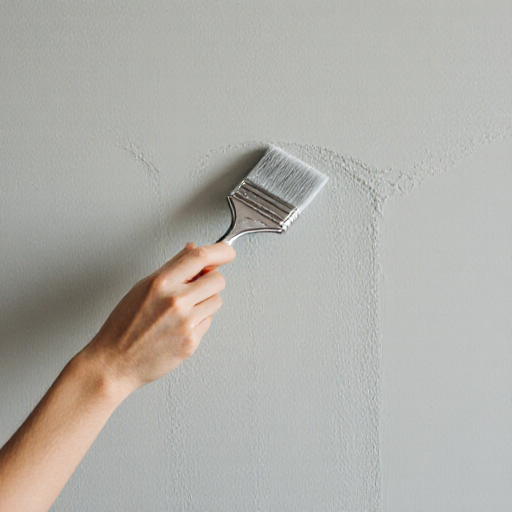
How to Choose the Right Eco-Friendly Paint for Your Singapore Home Renovation

2. Why Eco-Friendly Paint Matters

Traditional paints often contain high levels of volatile organic compounds (VOCs), heavy metals, and other harmful chemicals. Exposure to these substances can lead to respiratory issues, skin irritation, and long-term health risks.

Eco-friendly paints address these concerns by:

  • Reducing indoor air pollution: Lower VOC levels mean cleaner, safer air inside your home.
  • Minimizing environmental impact: Sustainable production methods and biodegradable ingredients reduce ecological harm.
  • Supporting long-term health: Particularly important for families with children, elderly members, or pets.

Choosing eco-conscious paint aligns with broader sustainable home renovation practices in Singapore.


3. Understanding Volatile Organic Compounds (VOCs)

VOCs are chemicals that evaporate from paint into the air, contributing to air pollution and potential health risks. When selecting eco-friendly paint, consider:

  • Low-VOC paints: Contain significantly reduced levels of VOCs compared to conventional paints.
  • Zero-VOC paints: Have almost no VOC emissions, offering a safer alternative for indoor spaces.
  • Label transparency: Look for certifications indicating compliance with Singapore’s environmental standards.

Understanding VOCs helps homeowners make informed decisions for healthier living environments.


4. Types of Eco-Friendly Paints

Eco-friendly paints come in various formulations suited for different surfaces and needs:

  • Water-based paints: Easily washable, low odor, and quick-drying.
  • Mineral paints: Composed of natural minerals and pigments, offering excellent durability and a matte finish.
  • Milk paints: Made from milk protein, lime, and natural pigments, ideal for furniture and accent walls.
  • Clay paints: Provide a soft, natural finish and are highly breathable, reducing condensation issues.

Selecting the appropriate type ensures both aesthetic appeal and sustainable performance.


5. Low-VOC and Zero-VOC Paint Options

Low-VOC and zero-VOC paints are the most commonly recommended for eco-conscious renovations:

  • Low-VOC: Typically under 50 grams per liter, offering a balance of safety and performance.
  • Zero-VOC: Contains minimal VOCs, often under 5 grams per liter, ideal for bedrooms, nurseries, and kitchens.

Many international and local brands in Singapore now offer certified low- and zero-VOC options, making it easier for homeowners to renovate responsibly.


6. Natural Paints: Clay, Milk, and Plant-Based Alternatives

Natural paints provide an additional layer of sustainability:

  • Clay paints: Offer excellent humidity control, reducing mold growth in Singapore’s humid climate.
  • Milk paints: Biodegradable, non-toxic, and perfect for small furniture projects or feature walls.
  • Plant-based paints: Made from linseed oil, soy, or other plant extracts, providing vibrant, safe finishes.

These options support environmentally friendly construction practices while adding unique textures and colors.


7. Tips for Selecting the Right Paint Finish

Eco-friendly paints come in different finishes, affecting appearance and durability:

  • Matte: Smooth, non-reflective, hides imperfections, ideal for walls and ceilings.
  • Eggshell/Satin: Slight sheen, washable, and versatile for living rooms and bedrooms.
  • Semi-gloss/Gloss: High durability, moisture-resistant, suitable for kitchens, bathrooms, and trim.

Consider both aesthetics and functional requirements when selecting finishes for your home renovation.


8. Eco-Friendly Paint Brands in Singapore

Several reputable brands offer certified eco-friendly paints in Singapore:

  • Jotun Majestic Eco: Low-VOC, excellent coverage, and wide color range.
  • Dulux Nature: Zero-VOC options, durable and odor-free.
  • Nippon Odourless Eco: Suitable for bedrooms and high-traffic areas.
  • Earthborn Paints: Natural, clay-based, and environmentally sustainable.

Choosing trusted brands ensures both quality and environmental compliance.


9. Preparation and Application for Optimal Results

Proper preparation and application maximize the benefits of eco-friendly paint:

  • Surface preparation: Clean, sand, and prime walls to ensure even adhesion.
  • Use brushes and rollers: High-quality tools reduce waste and improve finish.
  • Follow manufacturer instructions: Pay attention to drying times and recommended coats.
  • Ventilation: Even with low-VOC paints, proper airflow ensures a comfortable painting experience.

Correct application enhances longevity and maintains a vibrant, eco-friendly finish.


10. Maintenance and Longevity of Eco-Friendly Paint

Eco-friendly paints require minimal maintenance but benefit from routine care:

  • Regular cleaning: Use a damp cloth or mild detergent for washable finishes.
  • Touch-ups: Address scuffs or chips promptly to maintain appearance.
  • Avoid harsh chemicals: Preserve the integrity of natural pigments and finishes.

With proper care, eco-friendly paints can last as long as conventional options while maintaining healthier indoor air quality.


11. Conclusion

Selecting the right eco-friendly paint is a crucial step in any Singapore home renovation. Beyond aesthetics, these paints contribute to sustainability, healthier indoor air, and long-term durability.

Whether you choose low-VOC, zero-VOC, clay, milk, or plant-based paints, the key is to balance environmental responsibility, functionality, and style. By incorporating eco-conscious paint into your renovation, you not only improve your home’s interior quality but also support a greener, more sustainable future.


Filed Under: handyman

Top Eco-Friendly Flooring Options for Your Singapore Home Renovation

December 7, 2025 by admin

Table of Contents

  1. Introduction
  2. Why Choose Eco-Friendly Flooring?
  3. Key Considerations When Selecting Flooring
  4. Bamboo Flooring: Sustainable and Stylish
  5. Cork Flooring: Comfort Meets Eco-Friendliness
  6. Recycled Wood Flooring: Giving Timber a Second Life
  7. Linoleum Flooring: Natural, Durable, and Renewable
  8. Engineered Wood with Low VOC Finishes
  9. Benefits of Eco-Friendly Flooring Beyond Sustainability
  10. Tips for Maintaining Eco-Friendly Floors
  11. Conclusion

1. Introduction

Home renovation is an exciting journey that allows homeowners to create a space that reflects their style, functionality needs, and lifestyle preferences. One crucial yet sometimes overlooked aspect of renovation is flooring. In recent years, eco-conscious choices have become a major focus, with many Singapore homeowners opting for eco-friendly flooring solutions. These materials are not only environmentally responsible but also stylish, durable, and often healthier for indoor living spaces.

This guide will explore the top eco-friendly flooring options available in Singapore, helping homeowners make informed decisions while supporting sustainability.

Top Eco-Friendly Flooring Options for Your Singapore Home Renovation

2. Why Choose Eco-Friendly Flooring?

Eco-friendly flooring is designed to reduce environmental impact while providing quality, safety, and longevity. Key reasons to choose eco-friendly flooring include:

  • Environmental responsibility: Reduces deforestation, landfill waste, and the carbon footprint associated with production and transportation.
  • Indoor air quality: Many eco-friendly options are free from harmful chemicals, such as formaldehyde or VOCs (volatile organic compounds), which improves indoor air quality.
  • Durability: Sustainable materials are often long-lasting and require less maintenance, saving homeowners money over time.
  • Aesthetic appeal: Eco-friendly flooring comes in a variety of textures, colors, and finishes that can enhance the overall design of a home.

For Singapore homeowners, where urban living often means smaller spaces and limited natural ventilation, choosing environmentally responsible flooring can contribute to a healthier, more comfortable home.


3. Key Considerations When Selecting Flooring

Before selecting a flooring type, consider the following factors:

  • Durability: How well the flooring withstands foot traffic, moisture, and daily wear.
  • Maintenance: Ease of cleaning and required upkeep.
  • Cost: Initial installation costs versus long-term value.
  • Environmental impact: Material source, recyclability, and manufacturing practices.
  • Aesthetic compatibility: How the flooring complements your home design.

Understanding these factors ensures that your chosen flooring meets both functional and eco-conscious standards.


4. Bamboo Flooring: Sustainable and Stylish

Bamboo is one of the most popular eco-friendly flooring options due to its rapid growth and renewable nature. Bamboo flooring offers:

  • Sustainability: Bamboo reaches maturity in 3–5 years, compared to decades for traditional hardwood trees.
  • Durability: Strand-woven bamboo is highly resistant to scratches and dents.
  • Versatility: Available in a range of colors and finishes, suitable for modern and traditional interiors.
  • Low maintenance: Simple cleaning with a damp mop keeps it looking new.

For Singapore homes, bamboo flooring works well in living areas and bedrooms due to its comfort underfoot and aesthetic warmth.


5. Cork Flooring: Comfort Meets Eco-Friendliness

Cork flooring is derived from the bark of cork oak trees, which regenerates naturally after harvesting. Benefits include:

  • Softness and warmth: Ideal for areas where you stand frequently, like kitchens.
  • Sound insulation: Absorbs noise, making it suitable for multi-story HDB apartments or condominiums.
  • Hypoallergenic: Naturally resistant to mold, mildew, and pests.
  • Sustainability: Harvesting cork does not harm the tree, and cork is biodegradable at the end of its life cycle.

Cork floors offer a unique textured look, providing both comfort and a natural aesthetic.


6. Recycled Wood Flooring: Giving Timber a Second Life

Using reclaimed or recycled wood reduces the need for fresh lumber, minimizing deforestation and waste. Advantages include:

  • Environmental impact: Reduces landfill waste by repurposing old timber from demolished buildings or furniture.
  • Unique character: Each plank has distinct textures and color variations, adding charm and warmth to interiors.
  • Durability: Many recycled woods are sourced from hardwoods, making them long-lasting.
  • Eco-certification: Many suppliers provide FSC or similar certifications to ensure sustainability.

This option is ideal for homeowners in Singapore who want a rustic or vintage style while supporting sustainable building practices.


7. Linoleum Flooring: Natural, Durable, and Renewable

Linoleum is a natural flooring material made from linseed oil, cork dust, wood flour, and natural pigments. It offers:

  • Eco-friendly composition: Made entirely from renewable resources and biodegradable at the end of its life.
  • Durability: Resistant to scratches, stains, and moisture.
  • Low maintenance: Easy to clean with neutral pH solutions.
  • Variety of designs: Available in a wide range of colors and patterns for modern interiors.

Linoleum is particularly suitable for kitchens, bathrooms, or study areas where durable, easy-to-maintain flooring is essential.


8. Engineered Wood with Low VOC Finishes

Engineered wood is made by bonding a thin veneer of natural wood over high-quality plywood. When paired with low VOC finishes, it becomes a highly eco-friendly option. Benefits include:

  • Reduced formaldehyde emissions: Safe for indoor air quality.
  • Stability: Less prone to warping and moisture damage compared to solid hardwood.
  • Sustainability: Uses less hardwood per square meter than solid wood.
  • Aesthetic flexibility: Offers the look and feel of traditional hardwood at a lower environmental cost.

Singapore homeowners who prefer the elegance of wood but want responsible choices will find engineered wood a practical alternative.


9. Benefits of Eco-Friendly Flooring Beyond Sustainability

While eco-friendly flooring supports the environment, it also offers numerous personal benefits:

  • Health: Fewer toxic chemicals mean a safer environment for children and pets.
  • Comfort: Materials like cork and bamboo provide natural insulation and sound absorption.
  • Value: Long-lasting and durable floors reduce replacement and maintenance costs.
  • Style: Eco-friendly options often come in unique textures and colors, enhancing interior design.

Selecting eco-conscious materials does not require compromising on style, comfort, or functionality.


10. Tips for Maintaining Eco-Friendly Floors

To prolong the life and maintain the beauty of eco-friendly flooring:

  • Regular cleaning: Sweep or vacuum to remove dust and debris.
  • Use damp mop: Avoid excessive water, especially for bamboo or wood.
  • Protect from sunlight: Direct UV rays can fade colors over time.
  • Furniture pads: Prevent scratches and dents from heavy furniture.
  • Periodic refinishing: For wood and bamboo, low-VOC finishes can restore shine.

Proper care ensures your flooring remains both sustainable and aesthetically pleasing for years.


11. Conclusion

Choosing eco-friendly flooring in Singapore combines sustainability, functionality, and style. Options like bamboo, cork, recycled wood, linoleum, and engineered wood provide homeowners with durable, low-maintenance, and environmentally responsible choices. Beyond environmental benefits, these flooring materials improve indoor air quality, comfort, and overall home aesthetics.

By prioritizing eco-conscious flooring during your home renovation, you not only contribute to a greener Singapore but also create a healthier, more comfortable living space. Whether you are renovating a condominium, HDB flat, or landed property, selecting the right eco-friendly flooring ensures your home is beautiful, durable, and aligned with sustainable living principles.

Filed Under: handyman

Renovation Financing: How to Budget and Fund Your Home Renovation

November 27, 2025 by admin

Table of Contents

  1. Introduction
  2. Understanding Renovation Costs
  3. Setting a Realistic Renovation Budget
  4. Financing Options for Homeowners in Singapore
  5. Cost-Saving Tips Without Compromising Quality
  6. Planning for Unexpected Expenses
  7. Working with Contractors to Stay on Budget
  8. Benefits of Proper Financial Planning
  9. Case Study: AE Construct’s Budget-Friendly Renovations
  10. Conclusion

1. Introduction

Home renovation can be a significant investment, and managing finances effectively is crucial to ensure the project runs smoothly from start to finish. Proper budgeting, understanding costs, and exploring financing options can help homeowners avoid unnecessary stress and make informed decisions.

AE Construct offers guidance for homeowners in Singapore to manage renovation costs efficiently while achieving quality results (ae-construct.com).


2. Understanding Renovation Costs

Renovation costs vary depending on the size of the property, the scope of work, and the materials used. Typical expenses include:

  • Design and Consultancy Fees: Costs for interior designers or architects.
  • Construction and Labor Costs: Fees for carpenters, electricians, plumbers, and other trades.
  • Materials: Flooring, cabinetry, tiles, paint, fixtures, and fittings.
  • Permits and Approvals: HDB or URA permits for structural changes.
  • Contingency Fund: Extra funds to cover unforeseen issues.

A clear understanding of these components helps homeowners plan effectively.


3. Setting a Realistic Renovation Budget

To set a budget:

  • Assess Your Priorities: Decide which areas need the most investment.
  • Research Market Rates: Compare prices for materials and labor in Singapore.
  • Allocate Funds Proportionally: Distribute the budget across design, materials, labor, and contingency.
  • Factor in Quality vs. Cost: Avoid cutting corners on essential aspects that impact durability and safety.

A well-planned budget prevents overspending and ensures a successful renovation.


4. Financing Options for Homeowners in Singapore

Homeowners have several options to fund their renovation:

  • Cash Savings: Using personal savings is the simplest method.
  • Renovation Loans: Banks and financial institutions offer loans specifically for home improvement.
  • Credit Cards: Suitable for smaller projects or phased payments, though interest rates can be high.
  • CPF Funds (for HDB owners): CPF Ordinary Account funds can be used for HDB renovations under approved schemes.

Choosing the right financing option depends on project size, timeline, and financial flexibility.


5. Cost-Saving Tips Without Compromising Quality

Homeowners can save money while maintaining quality:

  • Compare Quotes: Obtain multiple quotations from contractors.
  • Reuse and Repurpose: Salvage materials from old furniture or fixtures.
  • Phased Renovation: Prioritize urgent areas and spread costs over time.
  • Choose Durable Materials: Higher initial investment reduces long-term maintenance costs.

AE Construct provides cost-effective solutions without compromising workmanship and design quality.


6. Planning for Unexpected Expenses

Unforeseen issues, such as hidden structural problems or material delays, can increase costs. Homeowners should:

  • Set aside a contingency fund (10–15% of total budget).
  • Keep a buffer for permit fees or design changes.
  • Review the budget regularly and adjust if necessary.

Being prepared for unexpected expenses prevents project delays and financial stress.


7. Working with Contractors to Stay on Budget

Effective collaboration with contractors helps manage costs:

  • Detailed Quotation: Ensure the scope of work and costs are clearly defined.
  • Regular Updates: Monitor progress and spending throughout the renovation.
  • Transparent Communication: Discuss changes or issues promptly to avoid surprises.
  • Value Engineering: Contractors can suggest alternative materials or methods to reduce costs without affecting quality.

AE Construct works closely with homeowners to maintain budget control and deliver cost-efficient renovations.


8. Benefits of Proper Financial Planning

Proper financial planning offers multiple benefits:

  • Avoids Overspending: Ensures all aspects of the project are funded adequately.
  • Reduces Stress: Clear budgeting reduces uncertainty and surprises.
  • Ensures Quality: Sufficient funds allow for high-quality materials and workmanship.
  • Project Completion on Schedule: Well-planned finances prevent delays caused by lack of funds.

Financial planning is as important as design and construction in achieving a successful renovation.


9. Case Study: AE Construct’s Budget-Friendly Renovations

AE Construct recently completed a full renovation of a 4-room HDB flat while helping the homeowner manage costs efficiently:

  • Provided detailed quotations and alternative material options.
  • Assisted in applying for CPF funds to finance the project.
  • Monitored spending and suggested adjustments to avoid budget overruns.
  • Delivered a high-quality renovation within the planned budget and timeline.

This demonstrates how professional guidance can make renovations affordable without sacrificing quality.


10. Conclusion

Funding and budgeting are critical components of any renovation project. By understanding renovation costs, setting realistic budgets, exploring financing options, and working closely with experienced contractors, homeowners can achieve their dream home efficiently and cost-effectively.

AE Construct provides expert financial guidance and project management to help homeowners in Singapore plan, fund, and complete their renovations successfully (ae-construct.com).

Filed Under: handyman

Project Management Tips for Homeowners Undergoing a Build or Renovation

November 20, 2025 by admin

Table of Contents

  1. Introduction
  2. Importance of Effective Project Management
  3. Setting Clear Goals and Objectives
  4. Establishing a Realistic Budget
  5. Creating a Detailed Renovation Timeline
  6. Communication with Contractors and Trades
  7. Monitoring Progress and Quality
  8. Handling Changes and Unexpected Issues
  9. Benefits of Professional Guidance
  10. Case Study: AE Construct’s Project Management Approach
  11. Conclusion

1. Introduction

Renovating a home is an exciting yet complex process. Whether it’s an HDB flat, condominium, or landed property, successful renovation requires careful planning, coordination, and oversight. Proper project management ensures the project stays on time, within budget, and meets the homeowner’s expectations.

AE Construct specializes in full-service renovation project management in Singapore, helping homeowners achieve smooth, stress-free renovations (ae-construct.com).


2. Importance of Effective Project Management

Effective project management is crucial because it:

  • Ensures timely completion of tasks.
  • Prevents budget overruns and unnecessary costs.
  • Maintains quality and compliance with regulations.
  • Reduces stress for homeowners by providing clear oversight.

Without proper management, even simple renovations can encounter delays, miscommunication, and additional costs.


3. Setting Clear Goals and Objectives

The first step is defining what you want from your renovation:

  • Identify must-have features and design preferences.
  • Determine functionality improvements, such as better storage or open-plan layouts.
  • Set expectations for quality and style.

Clear goals provide a roadmap for contractors and help avoid confusion during the renovation.


4. Establishing a Realistic Budget

Budget planning is essential to avoid financial stress:

  • Include all costs: design, materials, labor, permits, and contingency funds.
  • Research market rates for materials and professional services.
  • Be prepared for unexpected expenses, typically 10–15% of the total budget.

Working with a professional contractor like AE Construct ensures transparent budgeting and cost control.


5. Creating a Detailed Renovation Timeline

A well-structured timeline keeps the project on track:

  • Break down tasks into design, demolition, construction, finishing, and handover stages.
  • Allocate time for permits, inspections, and potential delays.
  • Regularly update the schedule based on progress and unforeseen issues.

A detailed timeline helps homeowners plan their daily routines around renovation activities.


6. Communication with Contractors and Trades

Open and consistent communication is key:

  • Schedule regular meetings or site visits.
  • Use digital tools or apps to track progress and share updates.
  • Address questions and concerns promptly.
  • Ensure that all changes are documented in writing.

Effective communication reduces misunderstandings and keeps everyone aligned.


7. Monitoring Progress and Quality

Homeowners should monitor work to ensure it meets expectations:

  • Conduct periodic inspections of completed tasks.
  • Check that materials, finishes, and workmanship match agreed specifications.
  • Ensure safety standards and regulations are followed.
  • Address any issues early to prevent escalation.

AE Construct provides professional oversight, quality checks, and progress updates for a smooth renovation process.


8. Handling Changes and Unexpected Issues

Even with careful planning, issues may arise:

  • Material delivery delays or substitutions.
  • Discovery of structural problems or hidden defects.
  • Changes in design preferences or scope.

Having a clear process for approving changes and adjusting the timeline ensures minimal disruption.


9. Benefits of Professional Guidance

Professional contractors add significant value in project management:

  • Expertise in planning, scheduling, and regulatory compliance.
  • Ability to coordinate multiple trades and suppliers.
  • Guidance on material selection and cost-effective solutions.
  • Reduction of stress and time commitment for homeowners.

AE Construct’s experience in renovation project management ensures homeowners enjoy a smooth, well-executed renovation.


10. Case Study: AE Construct’s Project Management Approach

AE Construct recently managed a full renovation of a condominium in Singapore:

  • Developed a comprehensive timeline covering design, demolition, and construction phases.
  • Maintained clear communication with the homeowner through weekly updates and site visits.
  • Monitored quality at every stage to ensure compliance with standards.
  • Successfully completed the project on time and within budget, exceeding homeowner expectations.

This demonstrates the benefits of professional project management for a stress-free renovation.


11. Conclusion

Renovating a home involves numerous tasks, decisions, and stakeholders. Effective project management ensures that the renovation runs smoothly, stays within budget, and delivers the desired results. Homeowners can benefit greatly from professional guidance to coordinate design, construction, and finishing stages.

For reliable project management and expert renovation services in Singapore, AE Construct provides end-to-end solutions that streamline the process, maintain quality, and ensure compliance (ae-construct.com).

Filed Under: handyman

Sustainable Renovation: Eco-Friendly Materials & Practices in Singapore

November 13, 2025 by admin

Table of Contents

  1. Introduction
  2. Why Sustainable Renovation Matters
  3. Eco-Friendly Materials for Home Renovation
  4. Energy-Efficient Solutions
  5. Water Conservation in Renovation
  6. Waste Reduction and Recycling Practices
  7. Planning a Sustainable Renovation Project
  8. Benefits of Eco-Friendly Renovation
  9. Case Study: AE Construct’s Sustainable Projects
  10. Conclusion

1. Introduction

As awareness of environmental issues grows, homeowners in Singapore are increasingly seeking sustainable renovation solutions. Eco-friendly practices and materials not only reduce environmental impact but also create healthier, more comfortable living spaces. Sustainable renovation combines aesthetics, functionality, and environmental responsibility, allowing homeowners to enjoy a modern home while minimizing their carbon footprint.

AE Construct specializes in integrating sustainable practices into renovation projects, helping homeowners achieve both style and sustainability (ae-construct.com).

Sustainable Renovation: Eco-Friendly Materials & Practices in Singapore

2. Why Sustainable Renovation Matters

Sustainable renovation is important for several reasons:

  • Environmental Protection: Reduces resource consumption and waste.
  • Health Benefits: Low-VOC paints and non-toxic materials improve indoor air quality.
  • Cost Savings: Energy-efficient solutions reduce utility bills over time.
  • Future-Proofing: Homes designed with sustainability in mind are better equipped to meet evolving building standards.

By prioritizing eco-friendly renovation, homeowners contribute positively to both their immediate environment and the planet.


3. Eco-Friendly Materials for Home Renovation

Choosing the right materials is a key component of sustainable renovation:

  • Low-VOC Paints: Reduce harmful chemical emissions indoors.
  • Recycled or Sustainable Wood: Certified timber or reclaimed wood for furniture and flooring.
  • Bamboo and Cork: Renewable materials suitable for flooring and decorative elements.
  • Eco-Friendly Tiles: Made from recycled glass or sustainable ceramics.
  • Non-Toxic Adhesives and Sealants: Safe for the environment and indoor health.

Selecting materials with durability in mind also reduces the need for frequent replacements, minimizing long-term waste.


4. Energy-Efficient Solutions

Energy efficiency is another crucial aspect of sustainable renovation:

  • LED Lighting: Reduces energy consumption compared to traditional bulbs.
  • Smart Lighting and Sensors: Automatically adjusts usage to minimize wastage.
  • High-Efficiency HVAC Systems: Reduce electricity use while maintaining comfort.
  • Insulation Improvements: Keep indoor temperatures stable, reducing reliance on air-conditioning.

These solutions not only benefit the environment but also lower household energy costs.


5. Water Conservation in Renovation

Water efficiency is essential in Singapore’s urban environment:

  • Low-Flow Fixtures: Reduce water usage in showers, faucets, and toilets.
  • Dual-Flush Toilets: Offer options for reduced water consumption.
  • Rainwater Harvesting: Collect rainwater for non-potable uses such as gardening.
  • Leak Prevention: Proper installation and maintenance of plumbing systems prevent wastage.

Incorporating water-saving measures contributes to sustainable living and long-term savings.


6. Waste Reduction and Recycling Practices

Sustainable renovation also involves managing construction waste responsibly:

  • Segregation of Waste: Separate recyclable materials like metal, wood, and plastics.
  • Donation or Repurposing: Excess materials can be donated or reused in other projects.
  • Minimizing Packaging Waste: Choose suppliers who offer bulk delivery or eco-friendly packaging.
  • On-Site Recycling: Implement systems to recycle debris and leftover materials.

AE Construct emphasizes waste reduction and recycling as part of their renovation practices.


7. Planning a Sustainable Renovation Project

Proper planning ensures a successful sustainable renovation:

  • Set Clear Goals: Identify areas to improve energy efficiency, reduce waste, and use eco-friendly materials.
  • Consult Professionals: Work with contractors familiar with sustainable methods and local regulations.
  • Budget Wisely: Consider upfront costs versus long-term savings from energy and water efficiency.
  • Select the Right Products: Prioritize materials with environmental certifications.

Sustainable renovation requires thoughtful coordination but delivers significant long-term benefits.


8. Benefits of Eco-Friendly Renovation

Homeowners enjoy multiple advantages from sustainable renovations:

  • Reduced Environmental Impact: Less energy, water, and material waste.
  • Healthier Living Spaces: Improved air quality and reduced exposure to toxins.
  • Lower Operating Costs: Savings on electricity, water, and maintenance.
  • Enhanced Property Value: Eco-friendly features are increasingly desirable in the property market.

Integrating sustainability into renovation creates a home that is both modern and responsible.


9. Case Study: AE Construct’s Sustainable Projects

AE Construct recently completed a condominium renovation with a focus on eco-friendly practices:

  • Use of low-VOC paints and sustainable timber.
  • Installation of LED lighting and high-efficiency air-conditioning systems.
  • Implementation of water-saving fixtures and proper waste segregation.
  • Continuous monitoring to ensure sustainable practices throughout the project.

The result was a modern, stylish home with reduced environmental impact and improved energy efficiency.


10. Conclusion

Sustainable renovation combines modern design, functionality, and environmental responsibility. By selecting eco-friendly materials, implementing energy-efficient and water-saving solutions, and managing construction waste effectively, homeowners in Singapore can enjoy a healthier, more efficient, and environmentally friendly home.

AE Construct provides expertise in sustainable renovation, guiding homeowners through eco-friendly material selection, design, and project execution (ae-construct.com).

Filed Under: handyman

Safety on Construction Sites: How Subcontractors Can Uphold High Standards

November 6, 2025 by admin

Table of Contents

  1. Introduction
  2. Importance of Safety in Construction Projects
  3. Common Safety Hazards in Residential Renovation
  4. Regulatory Safety Requirements in Singapore
  5. Safety Practices Implemented by Subcontractors
  6. Role of Homeowners in Ensuring Site Safety
  7. Training and Certification for Workers
  8. Benefits of Maintaining High Safety Standards
  9. Case Study: AE Construct’s Safety Protocols
  10. Conclusion

1. Introduction

Safety is a critical aspect of any construction or renovation project. Whether you are renovating an HDB flat, a condominium, or a landed property, construction sites present various hazards that can result in injuries, property damage, or delays. Ensuring safety is a shared responsibility between contractors, subcontractors, and homeowners.

AE Construct, a professional renovation contractor in Singapore, prioritizes safety across all its projects, implementing rigorous standards to protect workers and residents (ae-construct.com).


2. Importance of Safety in Construction Projects

Maintaining safety is essential for several reasons:

  • Protecting Lives: Preventing injuries to workers and residents.
  • Legal Compliance: Adhering to regulations set by the Ministry of Manpower (MOM) and other authorities.
  • Project Efficiency: Reducing accidents minimizes downtime and delays.
  • Reputation: Contractors with strong safety records build trust with clients.

Neglecting safety can lead to costly accidents, fines, or project shutdowns.


3. Common Safety Hazards in Residential Renovation

Residential renovation sites can have unique hazards, including:

  • Falls from Heights: Working on ladders, scaffolding, or elevated platforms.
  • Electrical Hazards: Live wiring or improper installation of electrical systems.
  • Trip and Slip Hazards: Loose cables, wet floors, or uneven surfaces.
  • Heavy Equipment and Tools: Injuries from misuse of machinery or hand tools.
  • Exposure to Chemicals: Paints, adhesives, and solvents can cause health issues if not handled properly.

Awareness of these hazards allows contractors to implement preventive measures.


4. Regulatory Safety Requirements in Singapore

The Ministry of Manpower (MOM) and other local authorities set strict guidelines for construction site safety:

  • Workplace Safety and Health (WSH) Regulations: Mandates safe work practices and protective measures.
  • Licensing Requirements: Contractors and subcontractors must have proper certifications for electrical, plumbing, or structural work.
  • Safety Audits: Periodic inspections ensure compliance with regulations and standards.

Contractors must follow these regulations to avoid penalties and ensure a safe work environment.


5. Safety Practices Implemented by Subcontractors

Subcontractors play a critical role in maintaining site safety. Best practices include:

  • Risk Assessment: Identify potential hazards before starting work.
  • Protective Gear: Mandatory use of helmets, gloves, masks, and safety harnesses.
  • Secure Scaffolding and Ladders: Regular inspection and proper installation.
  • Safe Material Handling: Proper storage and movement of heavy or hazardous materials.
  • Emergency Preparedness: First aid kits, evacuation plans, and fire safety equipment on site.

AE Construct ensures all subcontractors adhere to these practices to protect workers and homeowners alike.


6. Role of Homeowners in Ensuring Site Safety

Homeowners can also contribute to safety:

  • Restricting access to the construction site.
  • Removing fragile or valuable items from work areas.
  • Following contractor guidance on safety protocols.
  • Reporting potential hazards immediately.

Collaboration between homeowners and contractors creates a safer renovation environment.


7. Training and Certification for Workers

Professional subcontractors ensure that all workers are trained and certified:

  • Safety Induction Programs: Orientation on site-specific hazards and procedures.
  • Skill Certification: Licensed electricians, plumbers, and carpenters reduce the risk of accidents.
  • Continuous Training: Refresher courses on new safety protocols and equipment.

A well-trained workforce significantly reduces accidents and ensures compliance with regulations.


8. Benefits of Maintaining High Safety Standards

Maintaining strong safety practices offers multiple benefits:

  • Reduced Injuries and Incidents: Protects workers, homeowners, and visitors.
  • Project Efficiency: Fewer accidents mean fewer delays.
  • Cost Savings: Avoiding fines, medical costs, and work stoppages.
  • Enhanced Reputation: Clients prefer contractors with a proven safety record.

Safety is not just a regulatory requirement—it’s a smart investment in project success.


9. Case Study: AE Construct’s Safety Protocols

AE Construct recently completed a renovation of a landed property where multiple trades were involved simultaneously. Their safety measures included:

  • Pre-work risk assessments for all tasks.
  • Mandatory protective equipment for all workers.
  • Clear signage and restricted zones for homeowners and visitors.
  • Daily safety briefings and inspections.

The project was completed without incident, demonstrating the effectiveness of rigorous safety protocols.


10. Conclusion

Safety on construction sites is non-negotiable. Subcontractors, homeowners, and contractors must collaborate to minimize risks and maintain high standards. Proper planning, adherence to regulations, and consistent monitoring ensure that renovation projects are completed efficiently, safely, and successfully.

For homeowners seeking reliable contractors who prioritize safety in their projects, AE Construct provides professional expertise, well-trained subcontractors, and strict adherence to safety standards (ae-construct.com).

Filed Under: handyman

  • « Go to Previous Page
  • Page 1
  • Page 2
  • Page 3
  • Page 4
  • Go to Next Page »

A&E CONSTRUCTION PTE LTD
Copyright © 2026

WhatsApp us