
Table of Contents
- Introduction
- Why Choose Eco-Friendly Flooring?
- Key Considerations When Selecting Flooring
- Bamboo Flooring: Sustainable and Stylish
- Cork Flooring: Comfort Meets Eco-Friendliness
- Recycled Wood Flooring: Giving Timber a Second Life
- Linoleum Flooring: Natural, Durable, and Renewable
- Engineered Wood with Low VOC Finishes
- Benefits of Eco-Friendly Flooring Beyond Sustainability
- Tips for Maintaining Eco-Friendly Floors
- Conclusion
1. Introduction
Home renovation is an exciting journey that allows homeowners to create a space that reflects their style, functionality needs, and lifestyle preferences. One crucial yet sometimes overlooked aspect of renovation is flooring. In recent years, eco-conscious choices have become a major focus, with many Singapore homeowners opting for eco-friendly flooring solutions. These materials are not only environmentally responsible but also stylish, durable, and often healthier for indoor living spaces.
This guide will explore the top eco-friendly flooring options available in Singapore, helping homeowners make informed decisions while supporting sustainability.
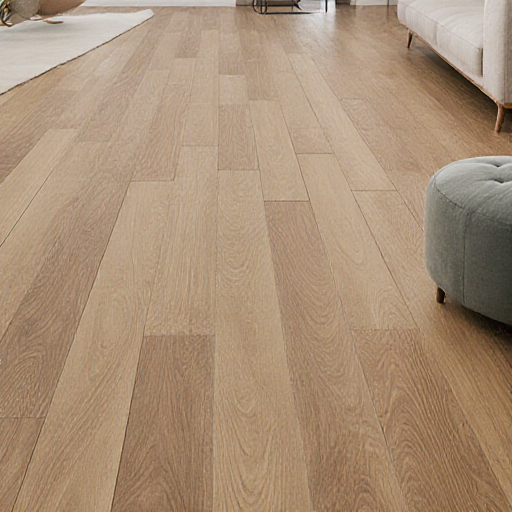
2. Why Choose Eco-Friendly Flooring?
Eco-friendly flooring is designed to reduce environmental impact while providing quality, safety, and longevity. Key reasons to choose eco-friendly flooring include:
- Environmental responsibility: Reduces deforestation, landfill waste, and the carbon footprint associated with production and transportation.
- Indoor air quality: Many eco-friendly options are free from harmful chemicals, such as formaldehyde or VOCs (volatile organic compounds), which improves indoor air quality.
- Durability: Sustainable materials are often long-lasting and require less maintenance, saving homeowners money over time.
- Aesthetic appeal: Eco-friendly flooring comes in a variety of textures, colors, and finishes that can enhance the overall design of a home.
For Singapore homeowners, where urban living often means smaller spaces and limited natural ventilation, choosing environmentally responsible flooring can contribute to a healthier, more comfortable home.
3. Key Considerations When Selecting Flooring
Before selecting a flooring type, consider the following factors:
- Durability: How well the flooring withstands foot traffic, moisture, and daily wear.
- Maintenance: Ease of cleaning and required upkeep.
- Cost: Initial installation costs versus long-term value.
- Environmental impact: Material source, recyclability, and manufacturing practices.
- Aesthetic compatibility: How the flooring complements your home design.
Understanding these factors ensures that your chosen flooring meets both functional and eco-conscious standards.
4. Bamboo Flooring: Sustainable and Stylish
Bamboo is one of the most popular eco-friendly flooring options due to its rapid growth and renewable nature. Bamboo flooring offers:
- Sustainability: Bamboo reaches maturity in 3–5 years, compared to decades for traditional hardwood trees.
- Durability: Strand-woven bamboo is highly resistant to scratches and dents.
- Versatility: Available in a range of colors and finishes, suitable for modern and traditional interiors.
- Low maintenance: Simple cleaning with a damp mop keeps it looking new.
For Singapore homes, bamboo flooring works well in living areas and bedrooms due to its comfort underfoot and aesthetic warmth.
5. Cork Flooring: Comfort Meets Eco-Friendliness
Cork flooring is derived from the bark of cork oak trees, which regenerates naturally after harvesting. Benefits include:
- Softness and warmth: Ideal for areas where you stand frequently, like kitchens.
- Sound insulation: Absorbs noise, making it suitable for multi-story HDB apartments or condominiums.
- Hypoallergenic: Naturally resistant to mold, mildew, and pests.
- Sustainability: Harvesting cork does not harm the tree, and cork is biodegradable at the end of its life cycle.
Cork floors offer a unique textured look, providing both comfort and a natural aesthetic.
6. Recycled Wood Flooring: Giving Timber a Second Life
Using reclaimed or recycled wood reduces the need for fresh lumber, minimizing deforestation and waste. Advantages include:
- Environmental impact: Reduces landfill waste by repurposing old timber from demolished buildings or furniture.
- Unique character: Each plank has distinct textures and color variations, adding charm and warmth to interiors.
- Durability: Many recycled woods are sourced from hardwoods, making them long-lasting.
- Eco-certification: Many suppliers provide FSC or similar certifications to ensure sustainability.
This option is ideal for homeowners in Singapore who want a rustic or vintage style while supporting sustainable building practices.
7. Linoleum Flooring: Natural, Durable, and Renewable
Linoleum is a natural flooring material made from linseed oil, cork dust, wood flour, and natural pigments. It offers:
- Eco-friendly composition: Made entirely from renewable resources and biodegradable at the end of its life.
- Durability: Resistant to scratches, stains, and moisture.
- Low maintenance: Easy to clean with neutral pH solutions.
- Variety of designs: Available in a wide range of colors and patterns for modern interiors.
Linoleum is particularly suitable for kitchens, bathrooms, or study areas where durable, easy-to-maintain flooring is essential.
8. Engineered Wood with Low VOC Finishes
Engineered wood is made by bonding a thin veneer of natural wood over high-quality plywood. When paired with low VOC finishes, it becomes a highly eco-friendly option. Benefits include:
- Reduced formaldehyde emissions: Safe for indoor air quality.
- Stability: Less prone to warping and moisture damage compared to solid hardwood.
- Sustainability: Uses less hardwood per square meter than solid wood.
- Aesthetic flexibility: Offers the look and feel of traditional hardwood at a lower environmental cost.
Singapore homeowners who prefer the elegance of wood but want responsible choices will find engineered wood a practical alternative.
9. Benefits of Eco-Friendly Flooring Beyond Sustainability
While eco-friendly flooring supports the environment, it also offers numerous personal benefits:
- Health: Fewer toxic chemicals mean a safer environment for children and pets.
- Comfort: Materials like cork and bamboo provide natural insulation and sound absorption.
- Value: Long-lasting and durable floors reduce replacement and maintenance costs.
- Style: Eco-friendly options often come in unique textures and colors, enhancing interior design.
Selecting eco-conscious materials does not require compromising on style, comfort, or functionality.
10. Tips for Maintaining Eco-Friendly Floors
To prolong the life and maintain the beauty of eco-friendly flooring:
- Regular cleaning: Sweep or vacuum to remove dust and debris.
- Use damp mop: Avoid excessive water, especially for bamboo or wood.
- Protect from sunlight: Direct UV rays can fade colors over time.
- Furniture pads: Prevent scratches and dents from heavy furniture.
- Periodic refinishing: For wood and bamboo, low-VOC finishes can restore shine.
Proper care ensures your flooring remains both sustainable and aesthetically pleasing for years.
11. Conclusion
Choosing eco-friendly flooring in Singapore combines sustainability, functionality, and style. Options like bamboo, cork, recycled wood, linoleum, and engineered wood provide homeowners with durable, low-maintenance, and environmentally responsible choices. Beyond environmental benefits, these flooring materials improve indoor air quality, comfort, and overall home aesthetics.
By prioritizing eco-conscious flooring during your home renovation, you not only contribute to a greener Singapore but also create a healthier, more comfortable living space. Whether you are renovating a condominium, HDB flat, or landed property, selecting the right eco-friendly flooring ensures your home is beautiful, durable, and aligned with sustainable living principles.